

As the world moves toward a more eco-conscious future,homebuyers and builders alike are prioritising sustainable building materials that reduce environmental impact and promote healthier living spaces. Whether you’re constructing a new home or renovating an existing one, choosing sustainable materials can help lower energy consumption, minimize waste, and create a more durable and efficient home. Here’s a look at some of the top eco-friendly building materials transforming modern homes.
1. Bamboo: The Fast-Growing Wonder
Bamboo is one of the most sustainable building materials available. It grows incredibly fast — some species can grow up to 3 feet in just 24 hours! Unlike traditional hardwoods, bamboo can be harvested without causing deforestation, making it an excellent renewable resource.
Why It’s Great:
-
Highly durable and stronger than many traditional woods
-
Naturally resistant to pests and moisture
-
Versatile for flooring, cabinetry, and even structural applications
2. Recycled Steel: Strength with Sustainability
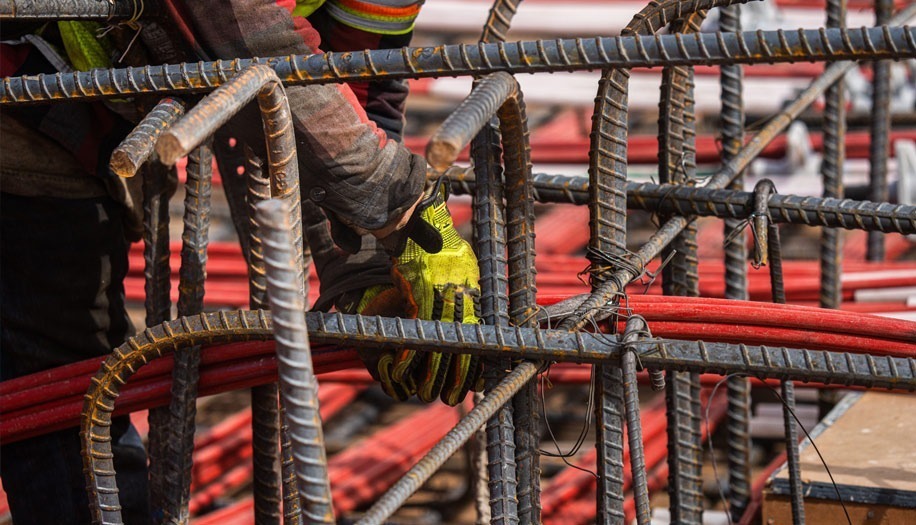
Using recycled steel reduces the need for raw materials and lowers carbon emissions associated with steel production. It’s a durable, high-strength material often used for framing and structural components.
Why It’s Great:
-
Significantly reduces landfill waste and energy use
-
Can withstand harsh weather conditions
-
100% recyclable without losing its strength
3. Insulated Concrete Forms (ICFs): Energy Efficiency at Its Best
ICFs are forms made of expanded polystyrene (EPS) that are stacked to create walls, which are then filled with concrete. These forms provide superior insulation, reducing the need for heating and cooling.
Why It’s Great:
-
High thermal resistance, reducing energy consumption
-
Extremely durable and disaster-resistant
-
Lowers long-term maintenance costs
4. Reclaimed Wood: Beauty with a Story
Reclaimed wood is salvaged from old buildings, barns, and factories, giving it a second life in modern homes. It adds a unique, rustic charm while reducing the demand for freshly harvested timber.
Why It’s Great:
-
Reduces deforestation and waste
-
Adds character and warmth to interiors
-
Often stronger and more durable due to its age
5. Rammed Earth: A Timeless Natural Option
Rammed earth is a technique where natural materials such as soil, clay, and sand are compacted to create strong, durable walls. It’s an ancient method that has gained renewed popularity for its eco-friendliness.
Why It’s Great:
-
Excellent thermal mass, keeping homes cool in summer and warm in winter
-
Minimal processing required, reducing carbon footprint
-
Highly durable and long-lasting
6. Hempcrete: Lightweight and Breathable
Hempcrete is a bio-composite material made from hemp fibers, water, and lime. It’s lightweight, breathable, and offers excellent insulation properties.
Why It’s Great:
-
Carbon-negative material that absorbs CO₂ during its life cycle
-
Naturally resistant to mold, pests, and fire
-
Provides natural insulation and improves indoor air quality
7. Recycled Glass: Giving Waste a New Purpose
Recycled glass can be transformed into stunning countertops, tiles, and decorative features. By repurposing glass waste, it reduces landfill waste and energy consumption.
Why It’s Great:
-
Durable, non-porous, and easy to maintain
-
Available in various colors and textures
-
Great for kitchens, bathrooms, and flooring
Final Thoughts
Sustainable building materials not only help reduce environmental impact but also contribute to healthier, more energy-efficient homes. By incorporating these materials into your modern home design, you’re investing in the future while creating a space that reflects your commitment to sustainability.
Ready to build a greener, smarter home? Explore these innovative materials and take a step toward a more eco-friendly lifestyle!