

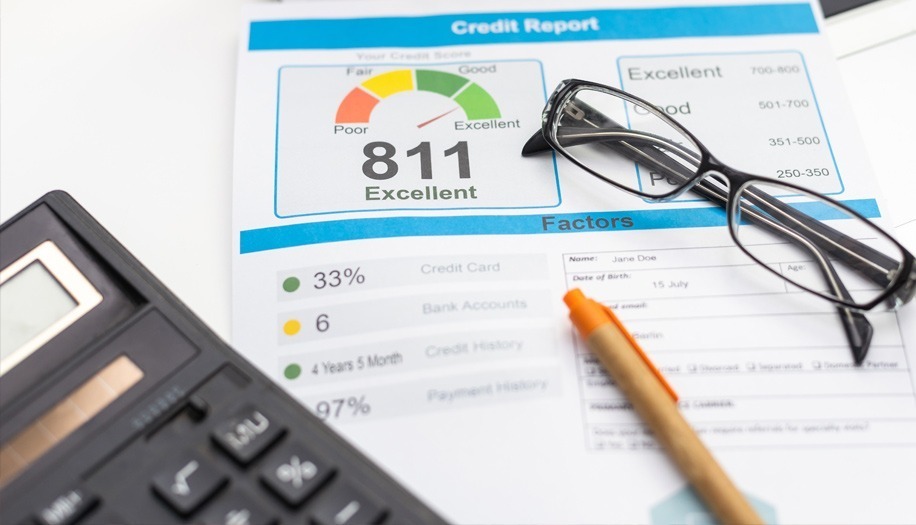
If you’re planning to buy a house, your credit score plays a critical role in determining whether you’ll get approved for a mortgage and what interest rate you’ll qualify for. A higher credit score can lead to lower interest rates and better loan terms, saving you thousands over the life of your mortgage. However, if your credit score isn’t where you’d like it to be, don’t worry — there are several steps you can take to improve it before applying for a home loan.
Here’s a step-by-step guide on how to boost your credit score and get one step closer to owning your dream home.
1. Check Your Credit Report for Errors
Errors in your credit report can drag down your score without you even knowing. Inaccurate information, such as missed payments that were actually made or accounts that don’t belong to you, can negatively impact your credit.
How to Fix It:
-
Request a free credit report from all three major credit bureaus — Equifax, Experian, and TransUnion — at AnnualCreditReport.com.
-
Review the report for inaccuracies and dispute any errors immediately.
-
Correcting errors can result in a quick boost to your credit score.
2. Pay Down Outstanding Debt
Your credit utilization ratio— the amount of available credit you’re using — accounts for about 30% of your credit score. A high utilization ratio can lower your score, even if you make payments on time.
How to Fix It:
-
Aim to keep your credit utilization below 30% of your total credit limit.
-
Pay down balances on high-interest credit cards first.
-
Consider making extra payments throughout the month to reduce your balance faster.
3. Make All Payments on Time
Your payment history makes up 35% of your credit score, making it the most important factor. Even a single missed or late payment can significantly impact your score.
How to Fix It:
-
Set up automatic payments or reminders to ensure bills are paid on time.
-
If you’ve missed a payment, try to bring the account current as soon as possible.
-
Consistently making on-time payments over several months can significantly boost your score.
4. Avoid Opening New Credit Accounts Too Close to Buying
Every time you apply for new credit, a hard inquiry is made, which can lower your credit score by a few points. Opening several new accounts in a short period can also make lenders view you as a higher risk.
How to Fix It:
-
Avoid applying for new credit cards or loans 6-12 months before applying for a mortgage.
-
Focus on managing your existing credit accounts responsibly.
5. Increase Your Credit Limits
If you have a good payment history, you may be able to increase your credit limits, which can help lower your credit utilization ratio.
How to Fix It:
-
Contact your credit card issuer and request a credit limit increase.
-
Make sure not to increase your spending after your limit is raised.
6. Become an Authorized User on a Trusted Account
If you have a family member or trusted friend with a strong credit history, becoming an authorized user on their account can give your credit score a boost. You’ll benefit from their positive payment history, which gets reflected on your credit report.
How to Fix It:
-
Ask someone with a solid credit record to add you as an authorized user.
-
Ensure that the account has a low balance and a history of on-time payments.
7. Consider a Credit-Builder Loan or Secured Credit Card
If you’re struggling to build credit, a credit-builder loan or secured credit card can help establish a positive payment history and improve your score over time.
How to Fix It:
-
Make regular, on-time payments to demonstrate financial responsibility.
-
Keep balances low to maintain a positive credit utilization ratio.
Final Thoughts
Improving your credit score before buying a house takes time and discipline, but the benefits are well worth the effort. A higher score can help you secure a better mortgage rate, save you money, and give you more options during the home-buying process.
Ready to take the next step toward homeownership? Start improving your credit score today and make your dream home a reality!